

Sydney
02:48
Tokyo
01:48
Hong Kong
00:48
Bangkok
23:48
Mumbai
22:18
Abu Dhabi
20:48
Riyadh
19:48
Paris
18:48
London
17:48
New York
12:48
Chicago
11:48
San Francisco
09:48

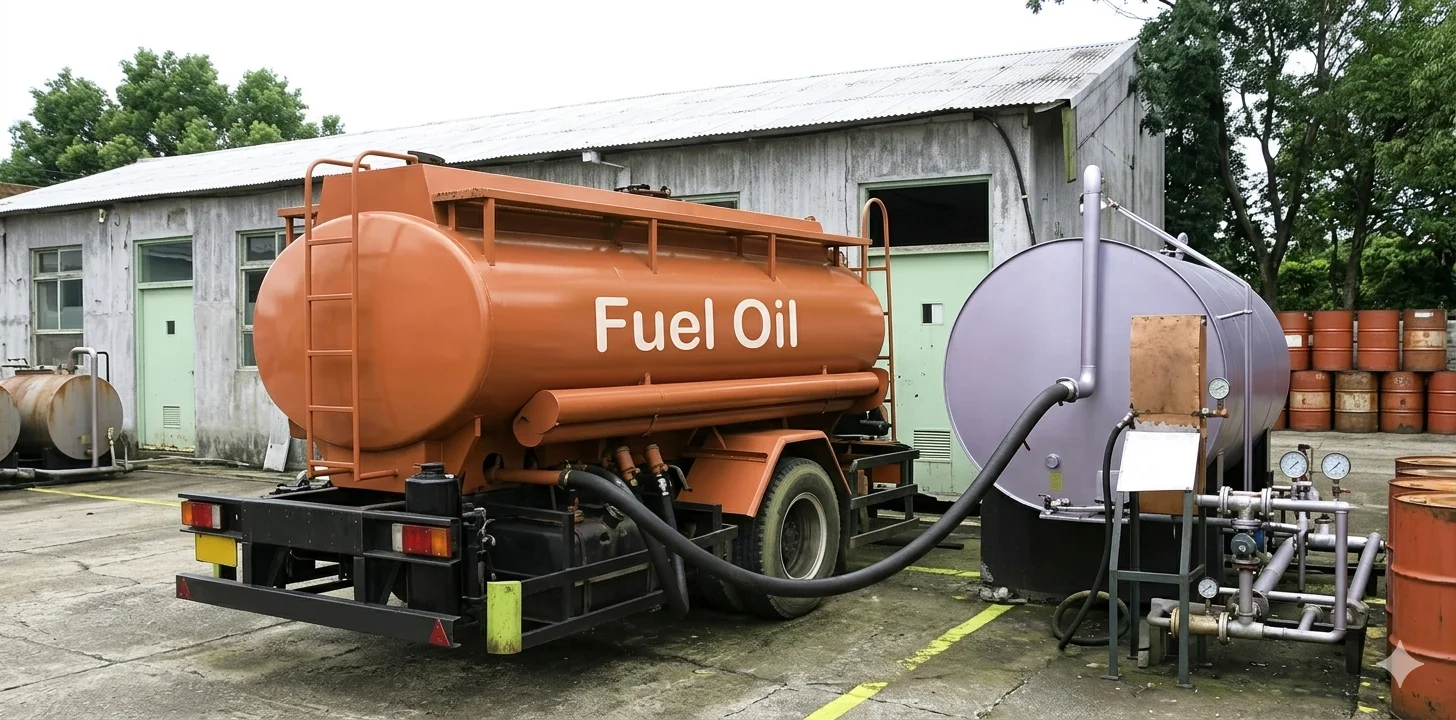
Fuel Oil

CST 180/380 is a type of fuel oil that is a fraction obtained from petroleum distillation. This can be either as a residue or as a distillate. Generally speaking, CST 180 fuel oil is any liquid petroleum that can be burned in a boiler or furnace that ultimately generates heat or used for the generation of power in engines.


CST 180 that meets the Russian GOST Standards are available in four grades: Very Low Sulphur, Low Sulphur, Normal and High Sulphur. Very Low Sulphur CST 180 generally tends to have higher prices since it is purer and it demands more complex refining techniques in order to be produced. It also tends to burn "cleaner" than the grades that have additional sulphur.


CST 180 fuel oil can be used for heating businesses, homes and factories. It is also used as maritime fuel on large ships and also can help generate power, typically for large commercial engines. This fuel is made of long hydrocarbon chains, alkanes, cycloalkanes and aromatics.


These fuels are heavier than gasoline and generate large amounts of heat when burning. With relatively high heating value and low corrosivity, these fuel oils can also be used as burning fuel for boilers. As the flash point is quite high, fuel oil is fairly safe during usage and storing.


Fuel oil is widely used as bunker boiler fuel, burning boiler fuel, metallurgical and industrial boiler fuel. It is applied in the power generation, petrochemical, transportation, building and steel industries.


One of the common uses for this fuel oil is in the marine industry. There are two basic types of marine fuels - distillate and residual. A third type is a mixture of these two, commonly called "intermediate". Distillate fuel is composed of petroleum fractions of crude oil that are separated in a refinery by a boiling or "distillation" process. Residual fuel or "residuum" is the fraction that did not boil, sometimes referred to as "tar" or "petroleum pitch". Fuel for marine use in engines and boilers has various types and grades, depending on the end usage requirements.


CST 380 grade fuel oil is a premium quality product which is typically more clean than other fuel oils, and has no blended additives or particles. As a result, there is no need to centrifuge or for a filtering system to process this fuel. CST 180 differs from CST 380 in that CST 180 has a maximum viscosity at 180 Centistokes, while CST 380 has a maximum viscosity at 380 Centistokes.


For an indicative quotation or more information contact us at:

petro@baronpoint.com go back

Copyright © 2007-2026 Baron Point Financial Group SPC | All Rights Reserved